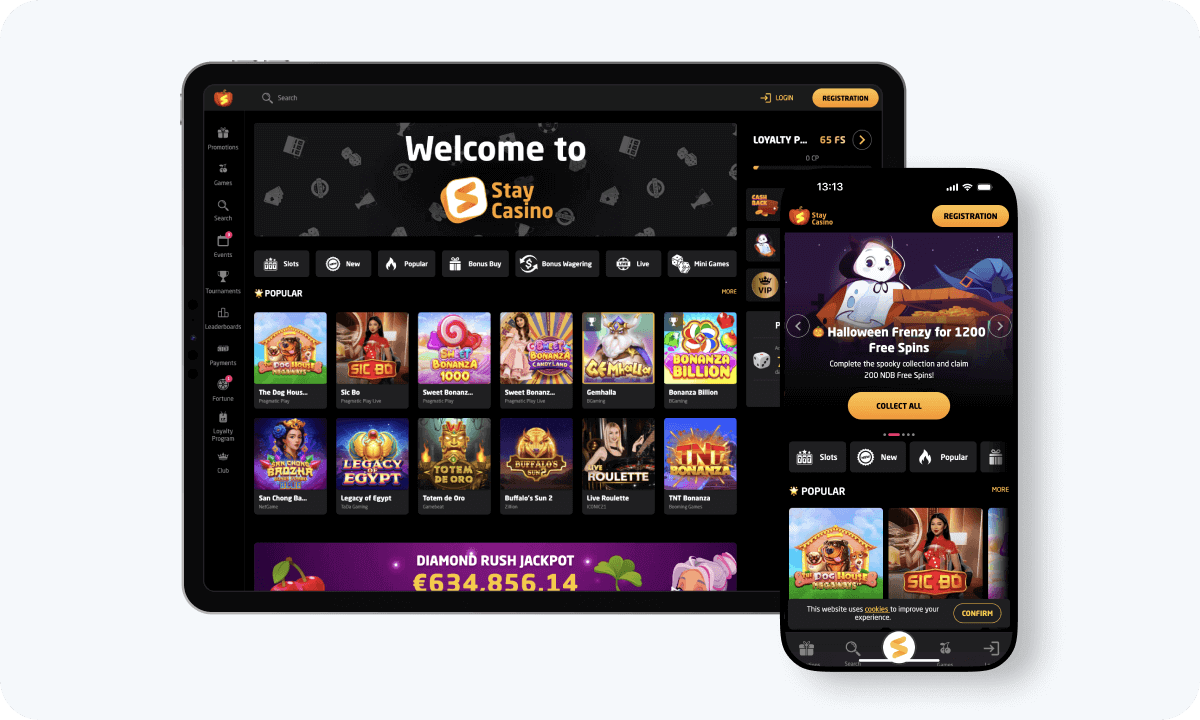
Responsible gambling tools are most useful when they are set before a gambling session becomes difficult to manage. For Australians considering the https://stay-casinos.net/, that means checking both the available account controls and whether the service is appropriate for their location. The published material describes deposit, loss, wager and session limits, cooling-off periods, self-exclusion and account closure. These options can support boundaries, but they do not remove the legal, financial or personal risks associated with online gambling.
Start by checking whether the service is suitable for your location
The first responsible decision is not choosing a limit; it is confirming whether the gambling service may lawfully offer online casino games to people where you live. The source material states that this operator is not Australian-licensed and that Australia’s Interactive Gambling Act prohibits operators from offering online casino games to people in Australia. An offshore licence, if reported for an operator, does not amount to Australian approval or provide the same protections as an Australian-regulated service.
This distinction matters because account tools cannot correct an unsuitable regulatory position. A profile may display balances in AUD, and the service may provide English-language support, but those details do not establish Australian availability or approval. Payment access, game access and account functions can also depend on location and provider restrictions. Readers should check current official requirements and avoid assuming that a familiar currency or accessible website means the service is authorised locally.
Location is also relevant if a dispute arises. An offshore operator may apply its own terms for verification, withdrawals, account closure and complaints, while Australian consumer protections may not operate in the same way. Before considering any gambling activity, pause and ask whether the service is legally available, what protections would apply, and whether an Australian support service or regulated alternative is more suitable. If the answer is unclear, not proceeding is the safer option.
Choose limits before money enters the account
A limit works best when it is decided before emotion, urgency or chasing losses can influence the choice. The published controls include deposit, loss, wager and session limits. These address different risks: a deposit limit restricts money added, a loss limit focuses on net gambling losses, a wager limit concerns total betting activity, and a session limit restricts time spent playing. A person may need more than one because a small deposit can still produce prolonged play or repeated wagering.
Use realistic figures based on discretionary money rather than rent, bills, credit repayments or savings. A useful starting process is:
- Set a maximum amount that can be lost over a chosen period.
- Set a session duration and decide what ends the session.
- Keep gambling money separate from essential household funds.
- Record deposits and losses rather than relying on memory.
- Do not raise a limit simply because the original amount has been lost.
Read the operator’s stated rules carefully before relying on a setting. The available material identifies these controls but does not establish every activation delay, maximum, override process or technical restriction. Check how limits are requested, when they take effect and whether an increase involves a waiting period. If a control is difficult to find or unclear, contact support before depositing. A limit should be easy to understand and harder to weaken during a stressful session.

Use a cooling-off period when a short break is not enough
Cooling-off is designed for a temporary pause rather than a permanent decision. The published FAQ describes periods ranging from one day to six months. During the relevant period, gambling and deposits are restricted, and promotional messaging is stopped. This can create distance after an upsetting session, an impulsive deposit or a period when gambling is taking too much attention.
Requesting a break early is generally more useful than waiting until losses become severe. A sensible request should specify the intended duration and be made through the stated support channel. Keep confirmation of the request, including the time it was submitted and the period selected. Do not assume that logging out, deleting a browser shortcut or uninstalling a mobile shortcut creates the same restriction as an account-level cooling-off request.
Cooling-off has limits. It may not resolve debt, relationship stress, financial hardship or gambling urges outside one account. It also may not be reversible once applied, so the terms should be read before confirmation. For confidential Australian information and support options, readers can consult Gambling Help Online, an established public resource. If gambling is causing immediate distress or safety concerns, seek urgent assistance through appropriate local health or emergency services.
Escalate to self-exclusion when access itself is the problem
Self-exclusion is stronger than an ordinary pause because it is intended for people who need to prevent access for a longer period. The source material describes self-exclusion lasting six to twelve months, requested through live chat. Gambling and deposits are restricted during the selected period, while promotional messages are stopped. This option may be more appropriate when repeated limit changes, account returns or chasing losses have become a pattern.
Before requesting self-exclusion, identify practical steps that support it. Remove saved payment details, tell a trusted person what you are doing, block gambling-related notifications and review recurring transactions. If other gambling accounts or betting products are involved, each may require separate action. Self-exclusion from one operator cannot be treated as a universal block across every website, app, venue or payment method.
Ask support to confirm the duration, the restrictions covered and the process for any future account contact. The available material says self-exclusion requests are handled through live chat, but it also notes published complaints about occasional delays with restriction requests. That is why keeping records matters. If access remains available after a request, do not continue playing while waiting for a response; preserve the evidence and seek independent help instead.
Close the account without letting unfinished business pull you back
Permanent closure is a different decision from cooling-off or self-exclusion. The stated process requires contacting customer support, rather than using a guaranteed self-service button. A closure request should clearly say that the account is to be closed permanently and, where relevant, that gambling access should not be restored. Ask for written confirmation and retain copies of messages, dates and any reference number.
Unfinished withdrawals or verification issues can make closure feel complicated. The published guidance says gambling restrictions should be handled independently of unfinished withdrawals. That means a pending financial matter should not be used as a reason to keep playing. Ask support what documents are required for any legitimate outstanding transaction, but do not deposit more money, reverse a restriction or wager to meet a requirement.
After closure, check practical follow-up actions. Remove bookmarks, uninstall any mobile shortcut, unsubscribe from promotional messages and monitor bank or card statements for unexpected activity. If account details are incorrect, the source material says changes normally require supporting documentation and support involvement; that should be resolved through the formal process rather than by opening another account. One account per person is stated, and a duplicate profile may create further complications.
Frequently asked questions about gambling controls
Which control should be used first?
That depends on the risk. A deposit or loss limit may suit someone setting a firm spending boundary, while a session limit addresses time. If gambling already feels difficult to stop, cooling-off or self-exclusion is more appropriate than relying on a small limit. Choose the strongest practical control before continuing.
Can a mobile shortcut replace self-exclusion?
No. A browser shortcut or mobile home-screen icon only changes how easily a website is reached. It does not necessarily restrict an account, deposits or gambling. Self-exclusion must be requested through the stated account-support process, and other gambling services may require separate exclusions.
What should happen if a restriction is delayed?
Stop gambling and avoid making further deposits while waiting. Keep screenshots or messages showing the request, note when it was submitted, and contact support again through the available channel. Seek independent gambling support as well, particularly if access remains open or urges to continue are difficult to manage.